
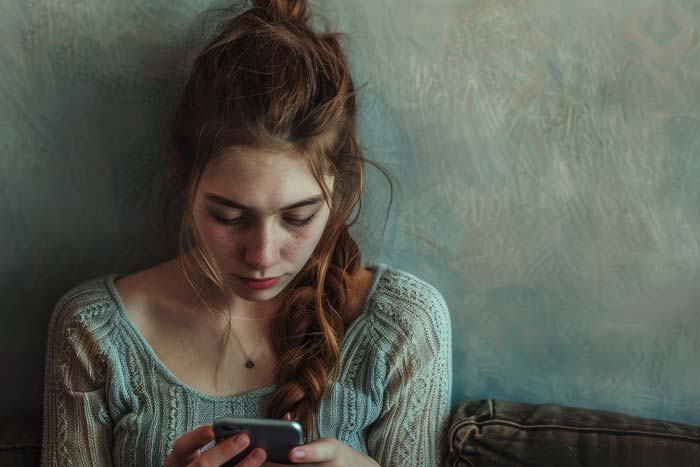
In the era of digitalization, social media on mental health presents a dual challenge. It can have detrimental effects on mental health in addition to its many positive aspects, such as connectivity and information exchange. Maintaining a healthy digital presence can be facilitated by being aware of these effects and using better online practices.
Social Media's Dual Nature
Social media sites like Twitter, Instagram, and Facebook have completely changed the way people communicate and exchange information. Nonetheless, research from The Child Mind Institute and The National Center for Health Research shows a connection between loneliness, anxiety, and depression and regular usage of social media.
Prioritizing Intentional Connections
When we give the interactions our posts get too much weight, a serious problem occurs. For example, when a post receives less likes or comments than anticipated, it may cause poor self-esteem and emotions of disappointment. Anxiety and sadness may result from this continual comparing. Find out more about how interactions on social media affect mental health.

The Delusion of Screening
Social media filters may be entertaining as well as misleading. They can be entertaining, but they can set unattainable expectations. Seeing flawless, filtered photos all the time can make one feel inadequate. Understand that filters are recreational instruments, not ideals to strive for. Examine how filters affect how you see yourself.
Defying FOMO
Many are driven to continually scroll through social media by the fear of missing out (FOMO). Procrastination, a decrease in memory recall, and an increase in stress might result from this. Learn more about FOMO and its consequences.
Methods for Using Social Media in a Healthier Way
According to University of Pennsylvania research, using less social media may help people feel less alone and depressed. The following indicate when it's time to make some cuts:
- Experiencing heightened loneliness, despair, or anxiety
- more time spent on the internet than with loved ones
- Comparing oneself to other people all the time
- Being the target of cyberbullies
- Taking chances in order to get likes and comments
- observing a reduction in connections and academic performance
- putting off self-care tasks
Useful Advice for Social Media on Mental health
To reduce unhealthy social media habits, try these strategies:
- Limit the amount of time spent on screens and apps.
- Set aside specified times to monitor your social media accounts.
- Periodically "detox" or take breaks from social media.
Furthermore, take part in activities that promote relationships in the actual world:
- Plan gatherings with friends
- Exercise regularly
- Participate in community service
- Spend time with friends in person
Asking for Assistance
See a doctor or a campus health expert if you continue to engage in problematic social media behaviors or experience anxiety or sadness. They are able to conduct mental health screenings and make treatment recommendations.
Through gaining knowledge about the effects of social media and implementing better practices, we can improve our mental health and create deeper, more meaningful relationships both online and off. For more information about social media affect on mental health.